

Jargon & Gobbledygook — A Guide to the Language of Public Speaking
Words are the raw material of every speech and presentation. Choose them well and your audience follows you effortlessly. Choose them badly — or reach for the comfort blanket of jargon, management-speak and tortured metaphor — and you lose them before the second slide. This guide collects our best writing on the language of public speaking: the good, the bad, and the truly gobsmacking.
Jargon, Gobbledygook & Management-Speak — Case Studies
From boardrooms to budget speeches, the evidence is everywhere: the more important the message, the worse the language tends to get. These posts examine the most compelling — and occasionally horrifying — real-world examples.

Presentation Language. It's Your Choice
A clear reminder that the language you choose in a presentation is always a decision — and that the wrong choice costs you your audience. Read more

How to Use Language in Your Speech
Language is a tool, not a decoration — this post shows you how to use it purposefully and drop the gobbledygook that distances you from your listeners. Read more
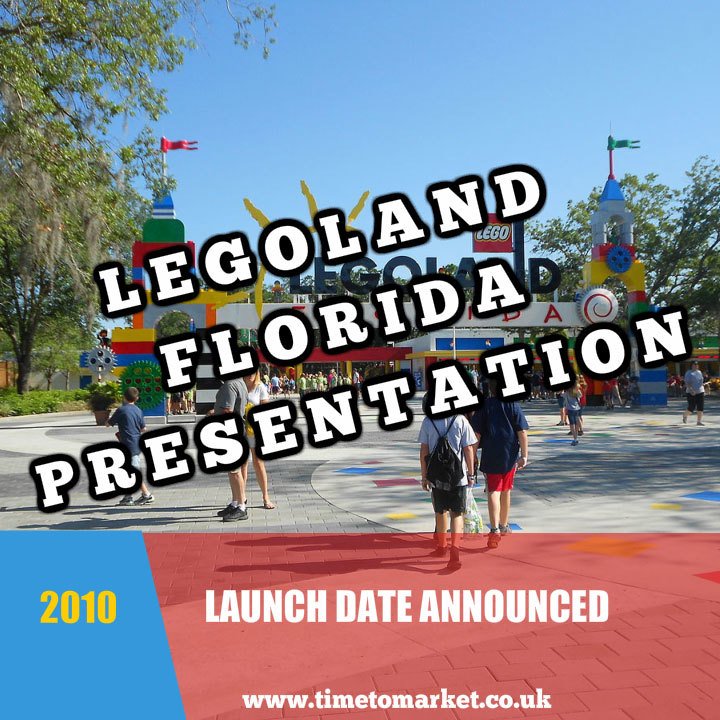
Legoland Florida Presentation: Countdown To Opening
A theme-park opening that should have been fun — until the jargon crept in and turned a crowd-pleasing moment into a corporate exercise. Read more
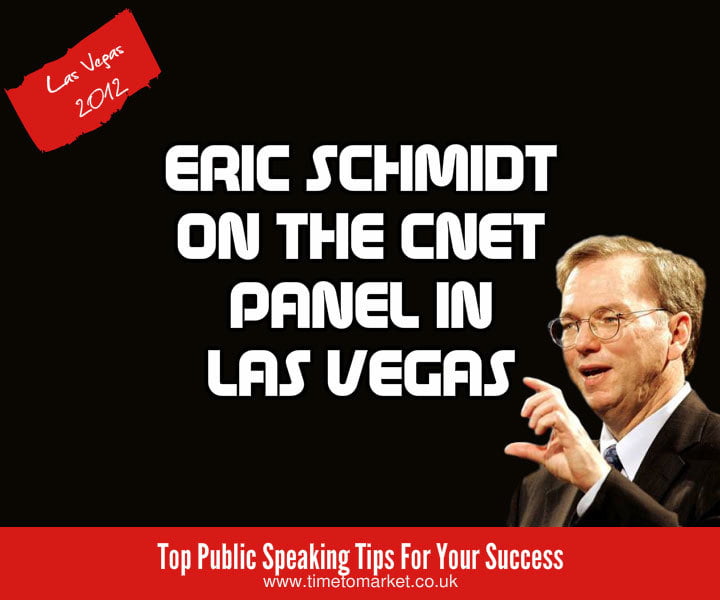
Eric Talks His Way To The Next Big Thing In Las Vegas
Eric Schmidt takes the CES stage in Las Vegas and proves that even the smartest minds in tech are not immune to the siren call of management-speak. Read more

Research Survey Suggests A Presentation Jargon Problem
The data makes uncomfortable reading — audiences are baffled by jargon far more often than presenters realise, and the gap between speaker confidence and audience comprehension is startling. Read more
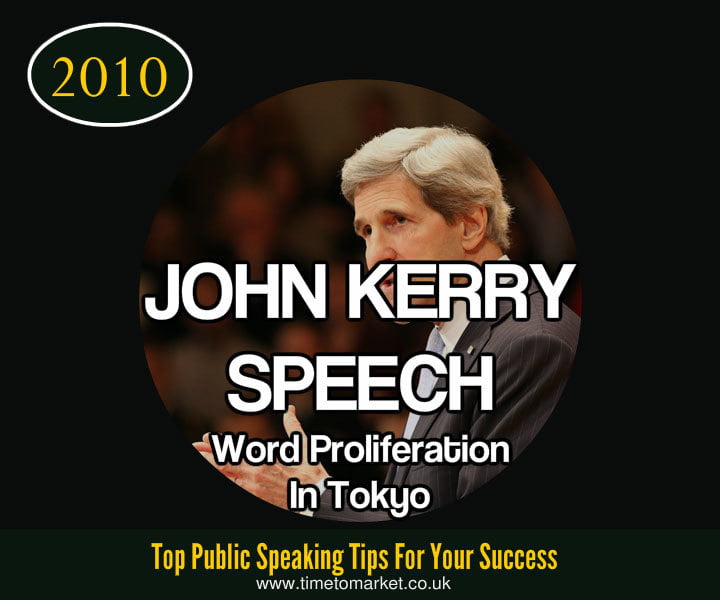
John Kerry Tokyo Non-Proliferation Speech Proliferates Language
A US Secretary of State visits Tokyo to discuss nuclear non-proliferation and manages to make the subject even more impenetrable than it already was — a masterclass in diplomatic gobbledygook. Read more
what's in a name
The words we use to describe things matter enormously — this post unpicks how vague naming and woolly terminology undermine even the most confident delivery. Read more

Qantas CEO Presentation Without The Fokkers
A Qantas chief executive discovers that perfectly routine aviation terminology can land very differently in a public presentation — a gentle reminder to know your audience before you open your mouth. Read more
How You Can Avoid Speech Jargon
Practical steps for cutting the clutter — if your speech is full of acronyms, buzzwords and insider language, this is the post to start with. Read more
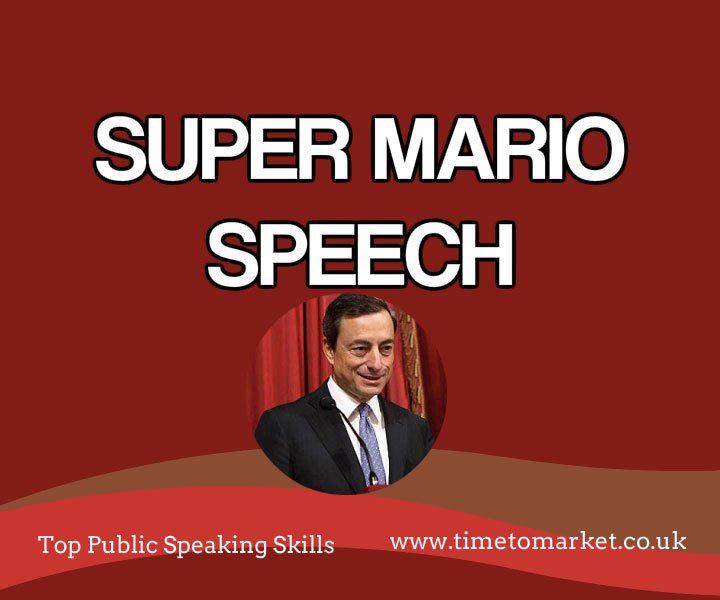
Super Mario Speech Banks On Euro Continuity
Mario Draghi addresses the Eurozone crisis with the language of a central banker — which is to say, at considerable length and in considerable fog. Read more

Mind Your Language With Your Presentation
A brisk and practical look at the language habits that make audiences switch off — and the simple discipline of saying what you mean in plain words. Read more

What's In A Word?
A companion piece to the name question — exploring why individual word choices carry more weight than most speakers ever appreciate, and how small changes deliver outsized impact. Read more
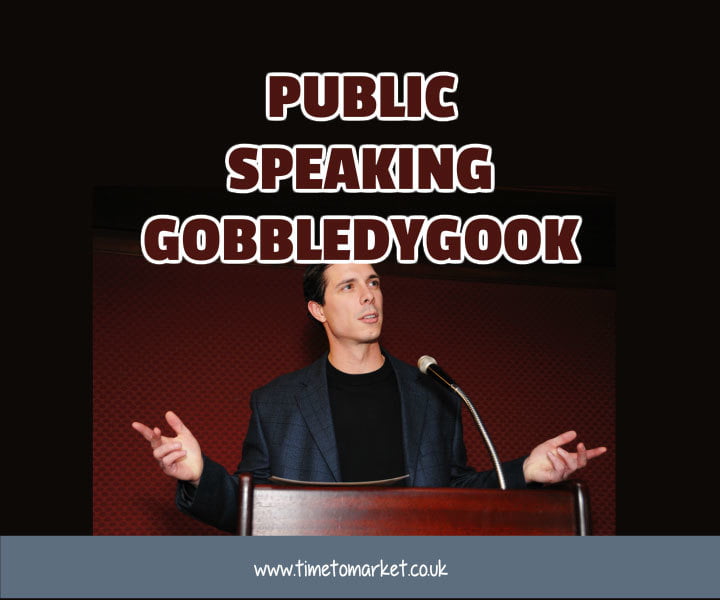
Public Speaking Gobbledygook Baffles Office Audiences
The definitive case against office jargon in presentations — with examples that will make you wince in recognition and resolve never to say "going forward" in a meeting again. Read more
Speech Metaphor, Rhetoric & the Power of Language
Not all language failure is jargon. Sometimes the problem is a metaphor that collapses under scrutiny, rhetoric deployed in the wrong register, or the sheer contrast between the gravity of the occasion and the ordinariness of the words. These posts examine language use at a higher level — from Martin Luther King's soaring rhetoric to a spy chief's unexpected taste for football metaphor.
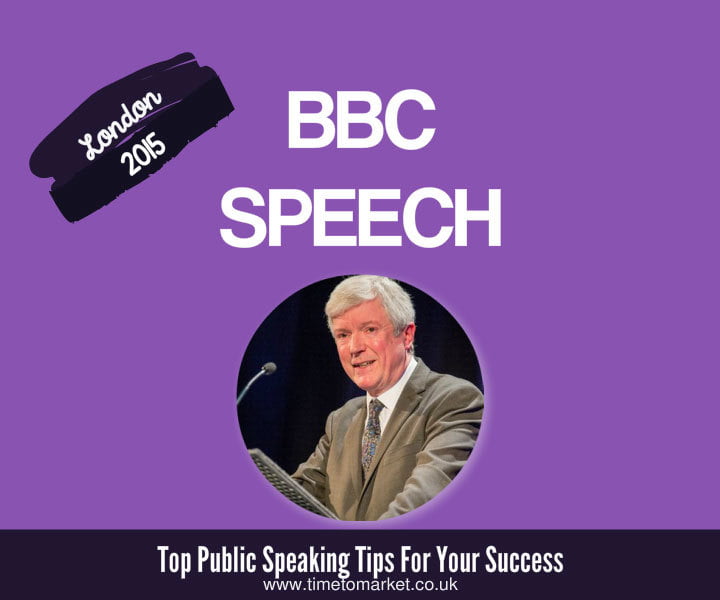
BBC Speech Points To An Internet Way At Crossroads
A senior BBC figure reaches for the crossroads metaphor to describe the internet's future direction — and we examine whether the image illuminates or obscures the argument. Read more

Give a Topical Speech and Deliver
How the best speakers use topical reference and metaphor to make a speech feel alive and immediate — with examples of those who get it right and those who miss the mark. Read more
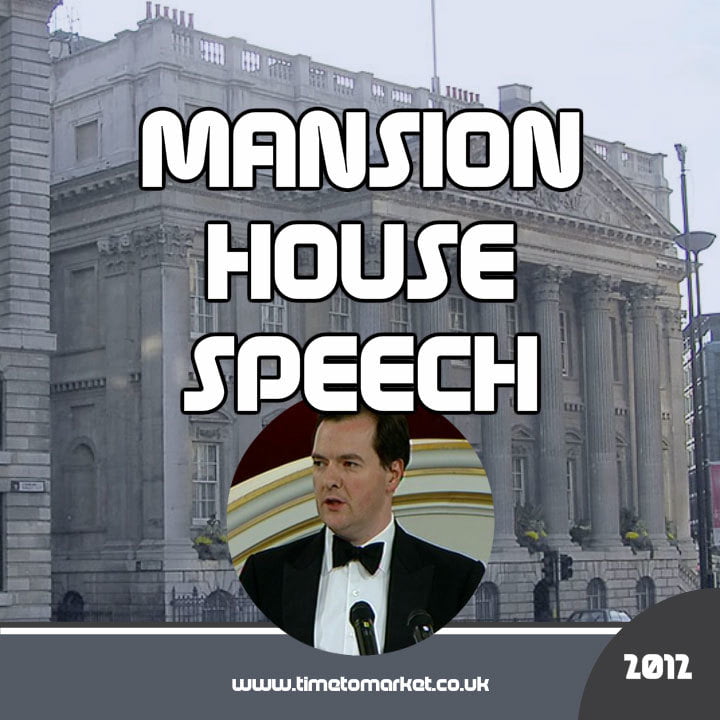
Osborne Mansion House Speech Weathers The Financial Storm
George Osborne deploys the full repertoire of financial-weather metaphor at the Mansion House — we look at what the rhetorical choices reveal about the speechwriter's toolkit. Read more
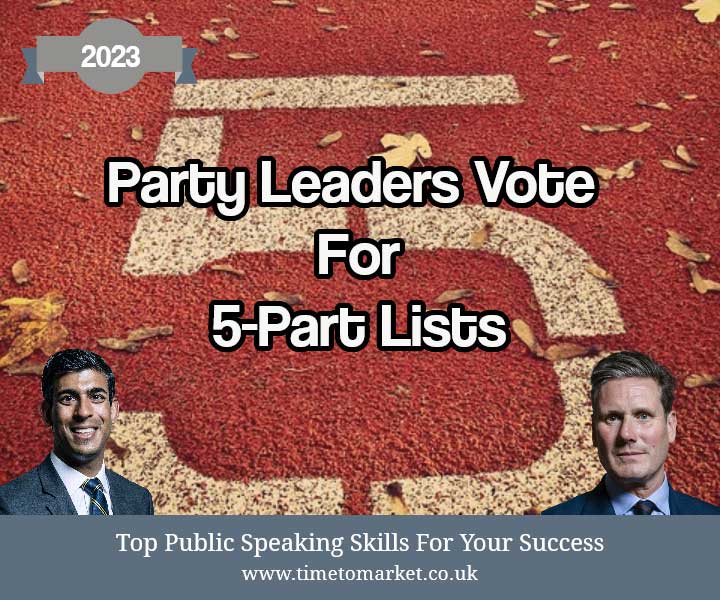
Leaders Vote For 5-Part Keynote Speech Structure
The five-part structure that the most effective keynote speakers return to again and again — because structure is the invisible scaffolding that makes language land. Read more
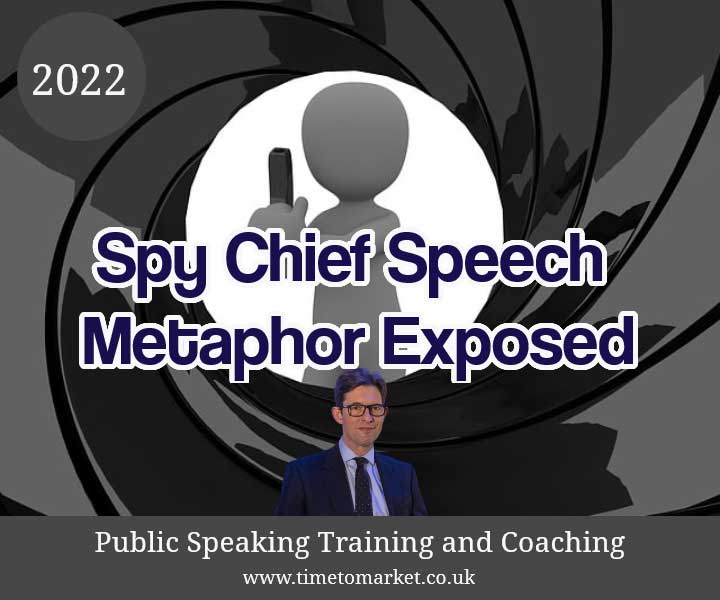
Spy Chief Speech Metaphor Exposed In Public
Britain's intelligence chief makes a rare public speech — and reveals an unexpected fondness for football metaphor that tells us rather more than the words themselves intend. Read more

Martin Luther King Speech 50 Years Old Today
More than half a century on, we look at why the language of the "I Have a Dream" speech still resonates — and what every speaker can learn from King's mastery of rhythm, repetition and imagery. Read more
Sharpen Your Language Skills With Time To Market
Clear language is a skill, not a talent — and it can be learned. If you'd like to tackle the jargon habit in your own presentations and speeches, our presentation skills training can help. Browse our full tips library below, or get in touch to discuss coaching or training for your team. And if you have a major event coming up, perhaps at the QEii centre, then you can always ask us about some preparation.
Browse all the presentation tips
OUR CONTACT DETAILS
Phone Number
01344 859823
Email Address
training@timetomarket.co.uk
Training | Coaching | Online Courses | Seminars | Tips | Podcasts | Videos